How buyer behavior, market constraints, and timing, not repair costs, determine value after a fire.
When Fire Damage Breaks the Normal Valuation Model
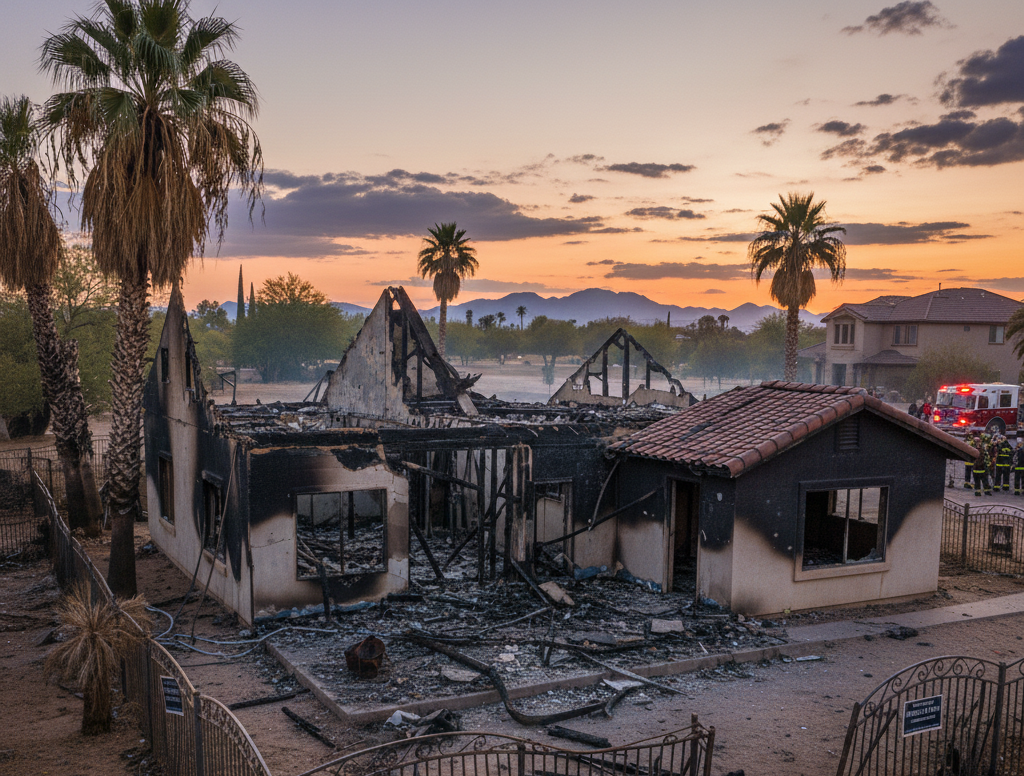
Most people assume an appraisal is a straightforward exercise: inspect the home, compare it to recent sales, and arrive at a value. That assumption works for typical properties. It begins to fall apart when a home has suffered significant fire damage. A fire-damaged home isn’t simply worth less. It has to be evaluated differently.
Once fire enters the equation, the appraisal process becomes less about standard comparisons and more about understanding how the market reacts to risk, limitation, and uncertainty. These are the situations where value is shaped as much by context and feasibility as by the physical condition of the property itself.
As long as a home remains fully livable, buyers tend to evaluate it through familiar criteria: location, layout, condition, and price. Significant fire damage disrupts that pattern.
Once a property is partially usable or uninhabitable, buyer behavior changes. Instead of envisioning themselves living in the home, buyers begin assessing what could go wrong. They think about the unknown costs behind walls, the time involved in repairs, and the risk that plans may change once construction begins. Even before repair numbers are finalized, uncertainty alone begins to influence demand.
From an appraisal standpoint, this is the moment when marketability becomes just as important as physical damage.
How Market Context and Buyer Behavior Shape Value
In fire-damaged scenarios, appraisers are not solving a construction problem. They are analyzing how the market responds when a property no longer fits neatly into a traditional residential category.
Comparable sales still matter, but only if they reflect similar buyer decisions: properties that required capital, patience, and tolerance for uncertainty. Cost information can help determine whether a project is feasible, but it does not dictate value. Buyers do not price homes by totaling repair invoices. They price them based on whether the opportunity makes sense relative to risk. That is why market value often departs from simple repair math. Value reflects buyer behavior, not arithmetic.
One of the most overlooked drivers of value in fire-damaged homes is the market environment in which the property is located.
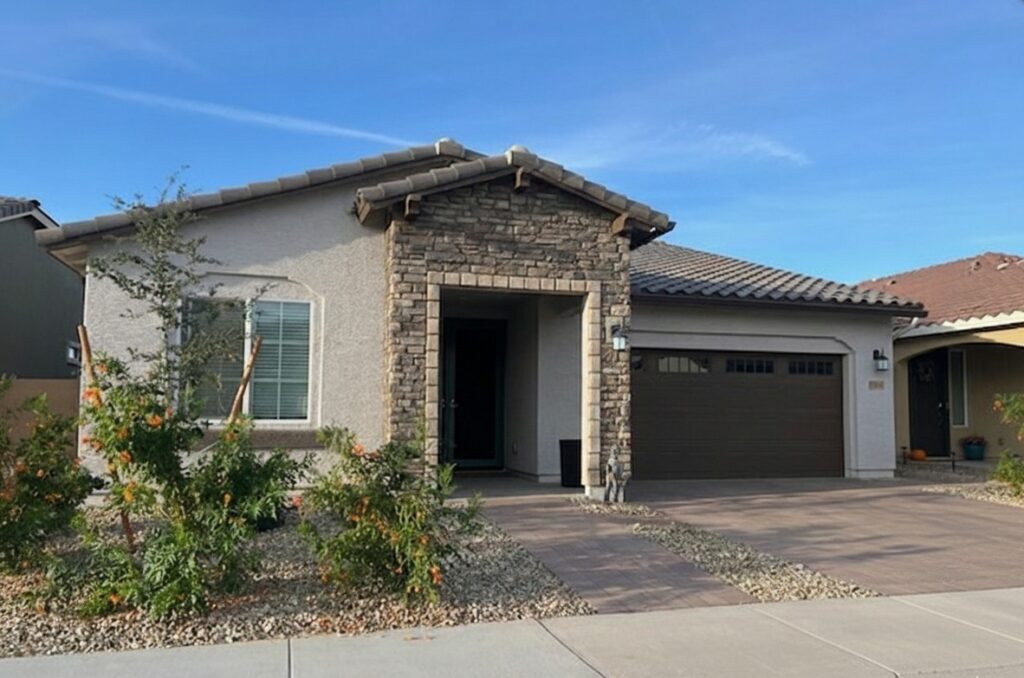
In older, urban-style neighborhoods, such as parts of Maryvale on Phoenix, there is often greater flexibility. Homes may predate modern zoning restrictions, lot sizes are typically more forgiving, and there is often a deeper pool of investors accustomed to distressed properties. In these areas, there are usually more comparable sales available, and buyers tend to view fire damage as a problem to solve rather than a barrier to entry.
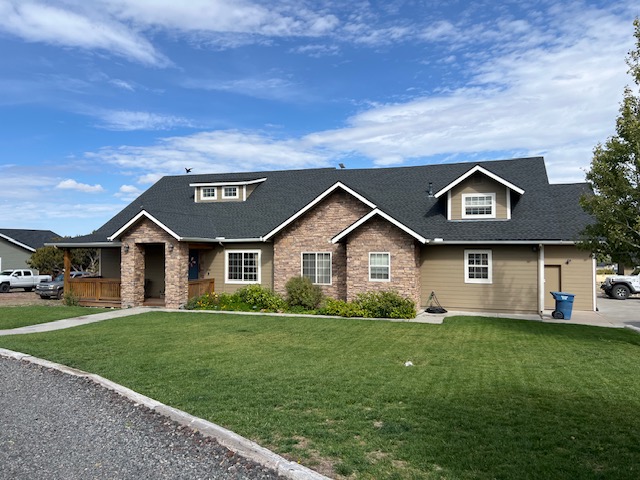
That same level of damage produces a very different outcome in a semi-custom subdivision in Scottsdale, governed by CC&Rs and an HOA. In those settings, buyers must contend with architectural controls, limits on expansion, setback requirements, and approval processes that can constrain or delay redevelopment. Even when rebuilding is possible, the upside may be capped by those restrictions. When upside is limited, investors reduce risk tolerance, and value adjusts accordingly. Same fire. Same damage. Entirely different valuation outcome.
Why Insurance Numbers and Market Value Often Diverge
This is usually where confusion enters the process, because not everyone involved is asking the same question.
After a fire, homeowners often request a “cost to rebuild,” assuming that is what an appraisal provides. In reality, that analysis serves a different purpose. Insurance estimates and contractor bids are designed to answer a construction question: what it will cost to repair or replace what was lost. An appraisal answers a market question: what a buyer would pay today, given the property’s condition, limitations, and risk profile.
Neither analysis is wrong. They simply serve different needs. If the goal is reconstruction or insurance settlement, cost estimates are appropriate. If the goal is to sell the property, evaluate feasibility, allocate risk, or assess tax exposure, market value becomes the relevant lens. Understanding that distinction early prevents mismatched expectations later.
When the Property Becomes a Land Value Question
In some cases, particularly in less restrictive markets, buyers stop assigning meaningful value to the existing structure altogether. If the cost and complexity of repairing a fire-damaged home exceed the value the finished product would contribute, the market begins treating the property as a land opportunity. At that point, valuation centers on what the site itself is worth after accounting for demolition and redevelopment—not on restoring the home as it once existed.
This shift does not occur simply because a home is damaged. It occurs because rebuilding no longer makes economic sense in that specific market.
Once a home is significantly fire-damaged, the likely buyer pool narrows. Owner-occupants typically step aside, and investors become the dominant participants. Investors approach these properties through feasibility. They evaluate allowable improvements, timelines, risk exposure, and resale potential. In unrestricted markets, flexibility can support stronger pricing. In HOA-restricted environments, limitations often reduce potential returns, which directly affects what buyers are willing to pay.
Understanding who the likely buyer is, and what constraints they face, is often the single most important factor in determining market value.
Why Timing Matters for Attorneys and CPAs
Fire damage often creates a sharp break in a property’s value history. The value immediately before the fire, the value immediately after, and the value following a decision to sell or rebuild can differ materially.
For legal and tax professionals, this is where timing becomes critical. A single valuation rarely tells the full story. Retrospective and current appraisals serve different purposes, and together they help clarify exposure, planning options, and potential outcomes. When value is tied to a specific point in time, precision matters.
Fire-damaged properties are not complex because of the fire itself. They are complex because buyer behavior fragments and market assumptions no longer hold. Small differences, such as zoning flexibility or HOA restrictions, can dramatically alter feasibility and, ultimately, value. Understanding how those factors interact helps attorneys, CPAs, and homeowners ask better questions earlier and avoid costly surprises later.
Final Thought
The real expertise in valuing a fire-damaged home isn’t in producing a number. It’s in understanding which question needs to be answered—and why.
Fire-damaged properties rarely fail because of the fire itself. They fail because the wrong questions are asked too late in the process. When value, feasibility, or timing materially affect legal or tax decisions, having the right analysis early can prevent costly surprises later. If you’re facing a fire-related valuation issue and need clarity around market value, not just repair costs, this is where an experienced appraisal perspective can make a meaningful difference.